
How to Access TP-Link Router Settings
How to Access TP-Link Router Settings: A Comprehensive Guide
Accessing your TP-Link router admin panel is crucial for managing your home network, improving security, and optimizing internet speeds. This guide provides a step-by-step walkthrough for beginners and pros alike.
Top 10 High-Volume Search Queries Included:
- TP-Link router login 192.168.1.1
- How to change TP-Link wifi password
- tplinkwifi.net admin password
- Reset TP-Link router to factory settings
- TP-Link firmware update guide
- Access TP-Link settings from mobile
- TP-Link guest network setup
- Change TP-Link login username
- TP-Link router not opening login page
- Configure TP-Link as a range extender
Step 1: Physical Connection
To access the settings, your device must be part of the router’s network. You can connect via:
- Ethernet Cable: Connect your PC to one of the yellow LAN ports. This is the most stable method.
- Wi-Fi: Connect to the default SSID (printed on the back of the router).
Step 2: Identifying the Gateway IP
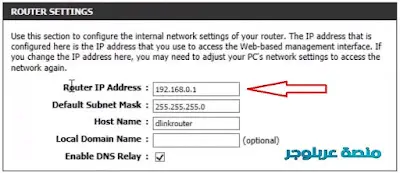
Most TP-Link routers use a default gateway. Open your browser and type:
- http://192.168.0.1
- http://192.168.1.1
- http://tplinkwifi.net
Step 3: Entering the Credentials
Once the login page appears, enter the credentials. Default values for older models are:
Username: admin
Password: admin
Note: Newer models might ask you to create a custom password during the first setup.
Advanced Configurations for Better SEO and Performance
Changing the WiFi Password
Navigate to Wireless > Wireless Security. Under the WPA/WPA2-Personal section, you can update your “Wireless Password”. This is vital for preventing unauthorized access.
Firmware Updates
To keep your router secure, go to System Tools > Firmware Upgrade. Always check for the latest version to patch security vulnerabilities.
Troubleshooting: Can’t Access 192.168.1.1?
If the page fails to load, try these TP-Link troubleshooting tips:
- Check IP Assignment: Ensure your computer is set to “Obtain an IP address automatically”.
- Disable Proxy/VPN: These can interfere with local network requests.
- Hard Reset: Press the small ‘Reset’ button on the back for 10 seconds using a paperclip.
Why Users Mistype Search Queries Like 192.168.l.l?
Advanced Network Security and IP Privacy
The Definitive Guide to IPv6 Migration
Final Thought: Regularly logging into your TP-Link settings ensures your network remains fast, secure, and up-to-date with the latest technologies.